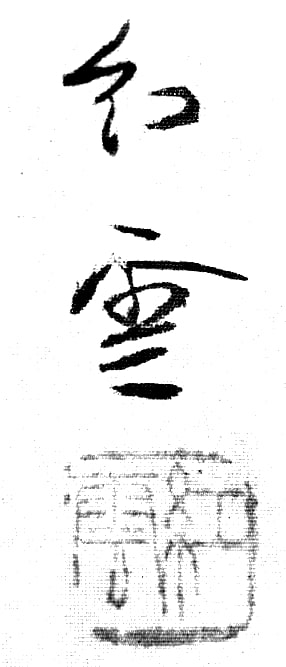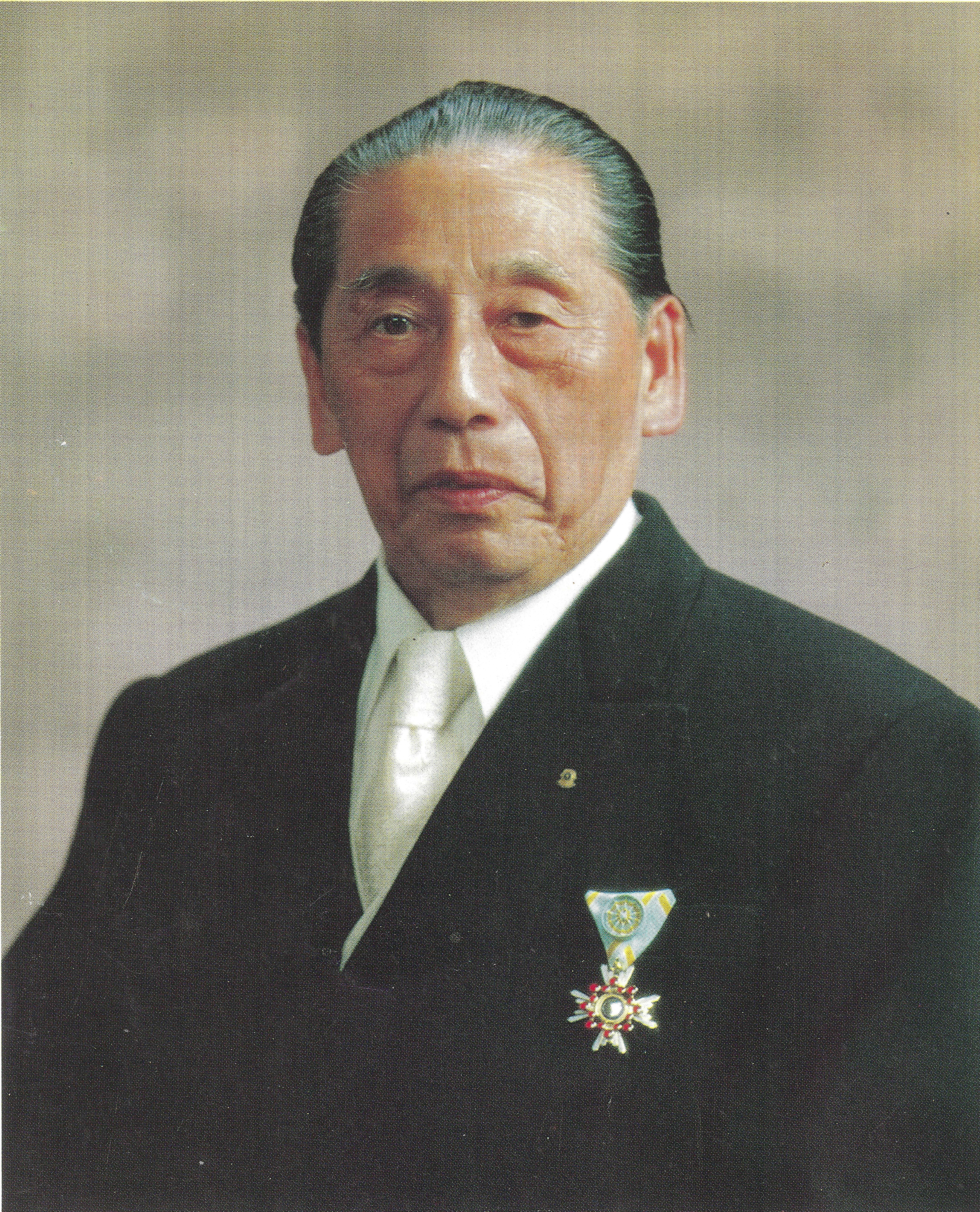
Koun Yamamoto (1896–1993) was a Japanese painter of the Nihonga genre, active primarily during the Shōwa period. Born as Risaburo Okada, he would become one of the most respected nihonga artists of his generation.
山本紅雲(1896年~1993年)は、昭和時代を中心に活躍した日本画家です。本名は岡田利三郎。世代を代表する最も尊敬される日本画家の一人となりました。
Education and Training
Yamamoto graduated from Kyoto Municipal Rokuhara Elementary School and Kyoto Municipal Arts and Crafts School, followed by Kyoto Municipal Painting College. From an early age, he showed a strong affinity for painting.
教育と修行
山本は京都市立六波羅小学校、京都市立美術工芸学校を卒業し、その後京都市立絵画専門学校を卒業しました。幼少期より絵画に強い親和性を示していました。
Master and Apprentice
Yamamoto studied under the legendary Takeuchi Seihō (1864–1942), who was regarded as one of the founders of nihonga.
Seihō's disciples produced many great painters including Shoen Uemura, Tsuchida Bakusen, and several others who received the Order of Cultural Merit. Yamamoto himself went on to mentor notable artists, including his disciples Kawai Seitoku, Manzo Hashimura, and Yukihiko Imura.
師匠と弟子
山本は日本画の創始者の一人とされる伝説的な竹内栖鳳(1864年~1942年)に師事しました。
栖鳳の門下からは上村松園、土田麦僊など、多くの偉大な画家が輩出され、その中には文化勲章受章者も含まれています。山本自身もまた、河合誓徳、橋村萬象、井村雪彦などの著名な弟子を育成しました。
Artistic Specialization & Legacy
Yamamoto was particularly skilled at landscape paintings and bird-and-flower paintings (kachōga). He became especially renowned for his depictions of Arashiyama and sweetfish (ayu). His mastery of these subjects earned him recognition throughout Japan's prestigious exhibition system.
Today, his works are preserved in national registries and the permanent collections of institutions such as the National Museum of Modern Art, Tokyo (MOMAT), which holds his 1942 color-on-silk painting, Spring Garden (春苑).
Later in his life, Yamamoto returned to more traditional Japanese motifs and focused on painting smaller animals such as cats and fish, particularly his celebrated sea bream (tai) paintings on decorative porcelain dishes.
芸術的専門分野と遺産
山本は山水画や花鳥画を特に得意としました。特に嵐山と鮎の描写で名声を得ました。これらの題材への精通により、日本の名誉ある展覧会制度全体で評価を得ました。
現在、彼の作品は国の登録簿や、1942年の絹本着色画「春苑」を所蔵する東京国立近代美術館(MOMAT)などの機関の常設コレクションに保存されています。
晩年には、より伝統的な日本的モチーフに回帰し、猫や魚などの小動物の描写に注力しました。特に装飾的な磁器皿の上の鯛の絵画で知られています。
Teaching and Legacy
Beyond his artistic practice, Yamamoto was dedicated to education and preserving nihonga traditions. He taught Japanese painting classes (Honkokai) at Honnoji Temple and ran a Japanese painting school at Kurumaori Shrine. He co-sponsored the annual Honnoji Culture and Art Exhibition, ensuring the continuation of nihonga education for future generations.
In 1972, he formed the Saiunkai group and held exhibitions until 1986, his final exhibition year. Through these efforts, he helped maintain the vitality of traditional Japanese painting during a period of rapid modernization.
教育と遺産
芸術活動を超えて、山本は教育と日本画の伝統保存に専念しました。本能寺で日本画教室(本光会)を教え、車折神社で日本画塾を運営しました。毎年開催される本能寺文化芸術展を共催し、将来世代のための日本画教育の継続を確保しました。
1972年に彩雲会を結成し、1986年の最終展覧会年まで展覧会を開催しました。これらの活動を通じて、急速な近代化の時代における伝統的な日本画の活力維持に貢献しました。